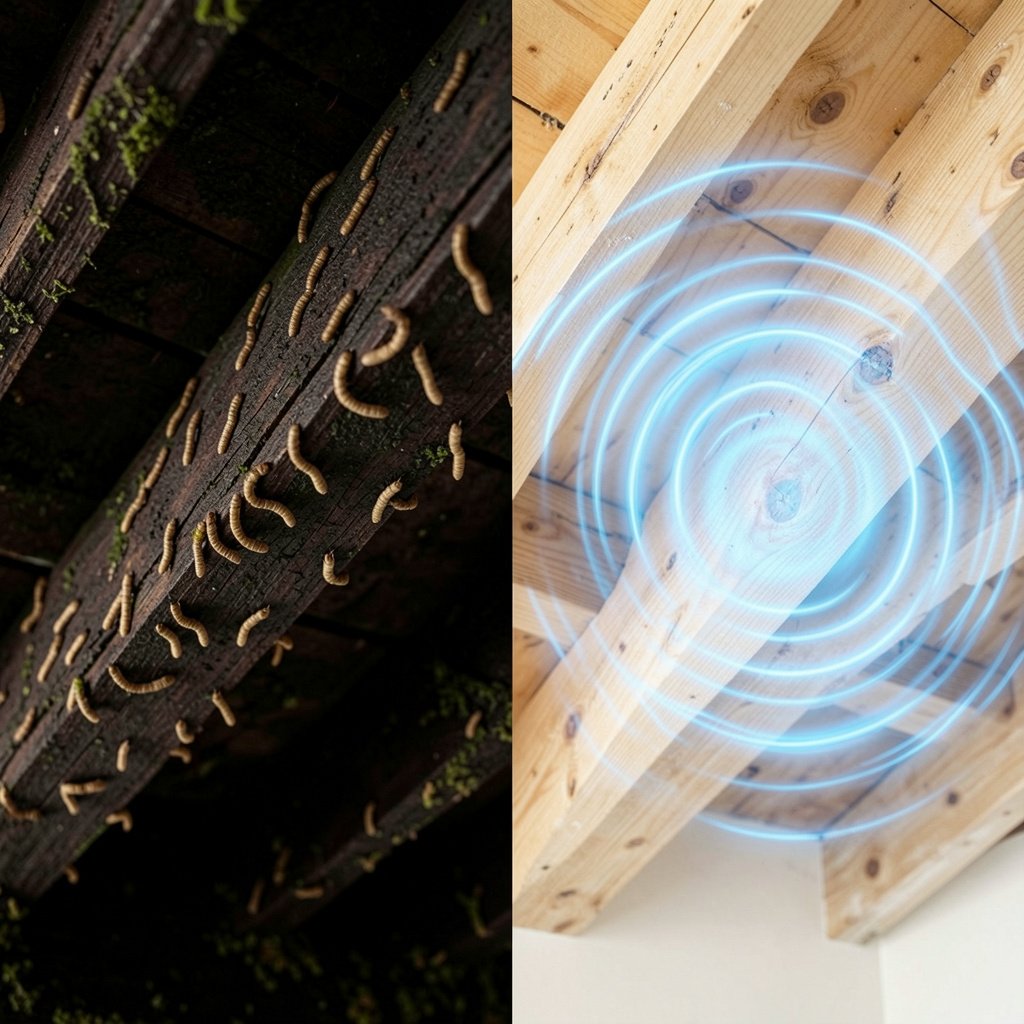
Wood has been one of humanity’s most trusted building materials for centuries. From residential homes and timber-framed buildings to antique furniture and historic landmarks, wood offers strength, beauty, and durability. However, without proper care, timber can become vulnerable to moisture, fungi, and wood-boring insects such as woodworms. Understanding the difference between prevention and cure is essential for protecting wooden structures and extending their lifespan.
While preventive maintenance helps reduce the risk of damage, active infestations require effective treatment. Modern microwave technology has transformed how wood preservation is approached by offering a chemical-free method for eliminating wood-boring insects already living inside timber. Shashel combines advanced microwave solutions with modern preservation principles to help property owners safeguard valuable wood for years to come.
Why Wood Preservation Matters
Wood is a natural material that responds to changes in its environment. Moisture, temperature, ventilation, and biological organisms all influence its condition over time.
Without proper maintenance, timber may become vulnerable to:
- Wood-boring beetles (woodworms)
- Moisture damage
- Mold growth
- Fungal decay
- Structural weakening
- Surface deterioration
Preserving wood protects not only the material itself but also the safety, appearance, and value of the property.
Prevention: The First Line of Defense
Preventive wood preservation focuses on reducing the conditions that allow damage to occur in the first place.
Simple maintenance practices can significantly lower the risk of future infestations and deterioration.
Keep Timber Dry
Moisture is one of the biggest threats to wood. Damp conditions encourage mold, fungal decay, and make some types of wood more attractive to wood-boring beetles.
Repair roof leaks, plumbing issues, and water intrusion promptly to keep structural timber dry.
Improve Ventilation
Good airflow helps regulate humidity and allows timber to dry naturally.
Proper ventilation is particularly important in:
- Roof spaces
- Basements
- Crawl spaces
- Storage areas
Control Indoor Humidity
Maintaining balanced humidity levels reduces condensation and helps prevent excess moisture from accumulating inside wooden structures.
Regular Inspections
Routine inspections make it easier to detect problems before they become serious.
Look for:
- Small exit holes
- Fine wood dust (frass)
- Soft or weakened timber
- Signs of moisture
- Adult beetles during warmer months
Early detection often reduces repair costs and prevents more extensive damage.
When Prevention Is No Longer Enough
Even well-maintained buildings can occasionally develop woodworm infestations.
Adult beetles may lay eggs in unnoticed cracks or untreated sections of timber. Once the larvae hatch, they begin feeding inside the wood, where they remain hidden for months or even years.
At this stage, preventive measures alone cannot eliminate the infestation.
Active woodworms require targeted treatment.
Understanding the Cure
The goal of treatment is to eliminate the insects before they cause further damage while preserving as much of the original timber as possible.
Traditional methods have typically relied on chemical insecticides.
Although these products can help in some situations, they may also have limitations, including:
- Limited penetration into thick timber
- Chemical residues
- Strong odors
- Multiple treatment applications
- Environmental concerns
These challenges have encouraged the development of more advanced treatment technologies.
A Modern Cure: Microwave Technology
Microwave woodworm treatment represents one of the most significant advances in modern wood preservation.
Rather than relying on pesticides, microwave systems use carefully controlled electromagnetic energy to generate heat inside infested timber.
Woodworm larvae contain much more moisture than seasoned wood. As microwave energy passes through the timber, the insects absorb the energy efficiently, causing their internal temperature to rise to a level that they cannot survive.
Modern Shashel microwave systems are designed to eliminate active infestations while avoiding the use of toxic chemicals.
Prevention and Cure Work Together
Wood preservation is most effective when prevention and treatment are combined.
Think of prevention as reducing the chance of future problems and treatment as addressing issues that already exist.
A complete preservation strategy includes:
- Regular inspections
- Moisture management
- Good ventilation
- Prompt repairs
- Effective treatment when infestations occur
- Ongoing maintenance
This balanced approach helps maximize the lifespan of wooden structures.
Benefits of Chemical-Free Treatment
Microwave technology offers several advantages that complement preventive maintenance.
Deep Penetration
Microwave energy reaches insects hidden inside timber where surface treatments may be less effective.
No Chemical Residues
The treatment requires no pesticides, fumigants, or toxic preservatives.
Environmentally Responsible
Reducing chemical use supports sustainable building maintenance and protects indoor environments.
Preserves Valuable Timber
Historic buildings, antique furniture, museums, and churches often require treatment methods that protect original materials.
Shashel helps preserve these valuable structures while effectively eliminating active wood-boring insects.
Where Wood Preservation Is Important
Wood preservation is valuable across many different environments.
These include:
- Residential homes
- Historic buildings
- Museums
- Churches
- Schools
- Commercial properties
- Timber-framed houses
- Roof structures
- Wooden bridges
- Antique furniture collections
Every wooden structure benefits from a proactive preservation plan.
Common Mistakes to Avoid
Many property owners unknowingly increase the risk of wood damage.
Common mistakes include:
- Ignoring small exit holes
- Delaying repairs to roof leaks
- Blocking ventilation
- Assuming dry-looking wood is completely moisture-free
- Treating only visible surface damage
- Waiting until structural damage becomes obvious
Addressing problems early almost always produces better long-term results.
Building a Long-Term Preservation Plan
A successful wood preservation program includes both preventive care and effective treatment.
Property owners should:
- Schedule routine inspections.
- Monitor moisture levels.
- Improve airflow where needed.
- Repair water damage immediately.
- Protect exposed timber from prolonged dampness.
- Treat active infestations promptly.
When these practices are followed consistently, wooden structures remain stronger, safer, and more durable for many years.
The Future of Wood Preservation
As technology continues to evolve, wood preservation is becoming more precise, environmentally friendly, and efficient.
Modern solutions increasingly emphasize:
- Chemical-free treatment
- Sustainable maintenance
- Preservation of original materials
- Reduced environmental impact
- Long-term timber protection
By combining scientific innovation with practical building care, Shashel is helping shape the future of timber preservation through advanced microwave technology.
Conclusion
Protecting wood is not simply about reacting to problems—it is about combining prevention with effective treatment when necessary. Preventive maintenance reduces the risk of infestation by controlling moisture, improving ventilation, and identifying issues early. However, when wood-boring insects have already established themselves inside timber, targeted treatment becomes essential.